Critical Raw Materials (CRM) Policy Lab

Add information
What is the Policy Lab about?
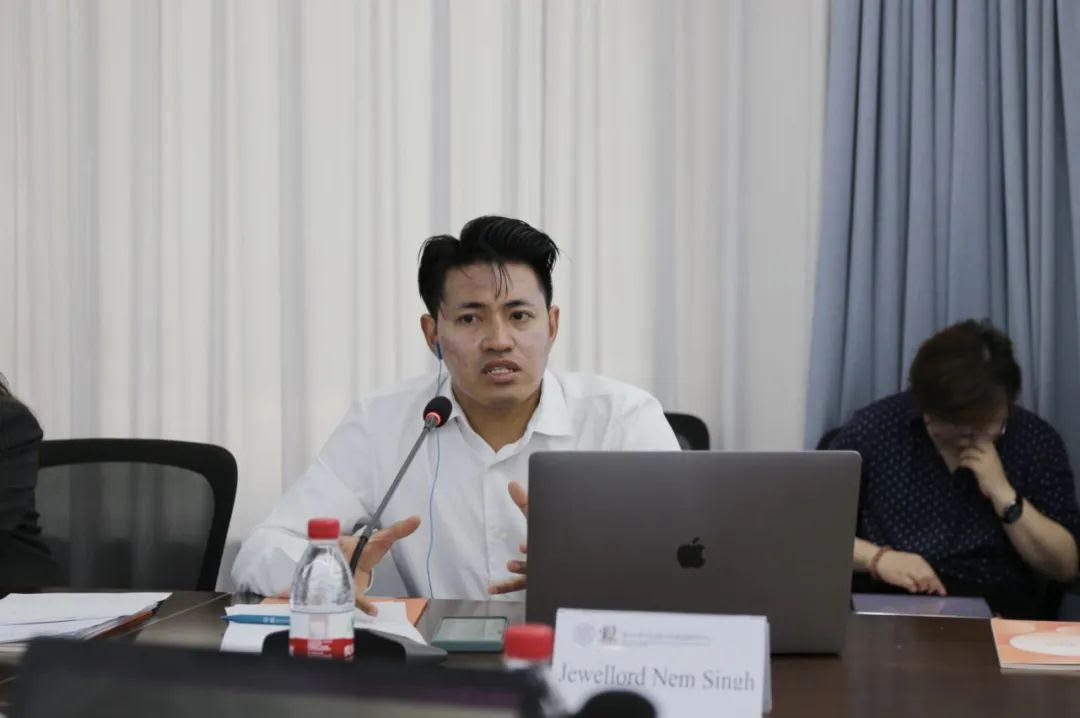
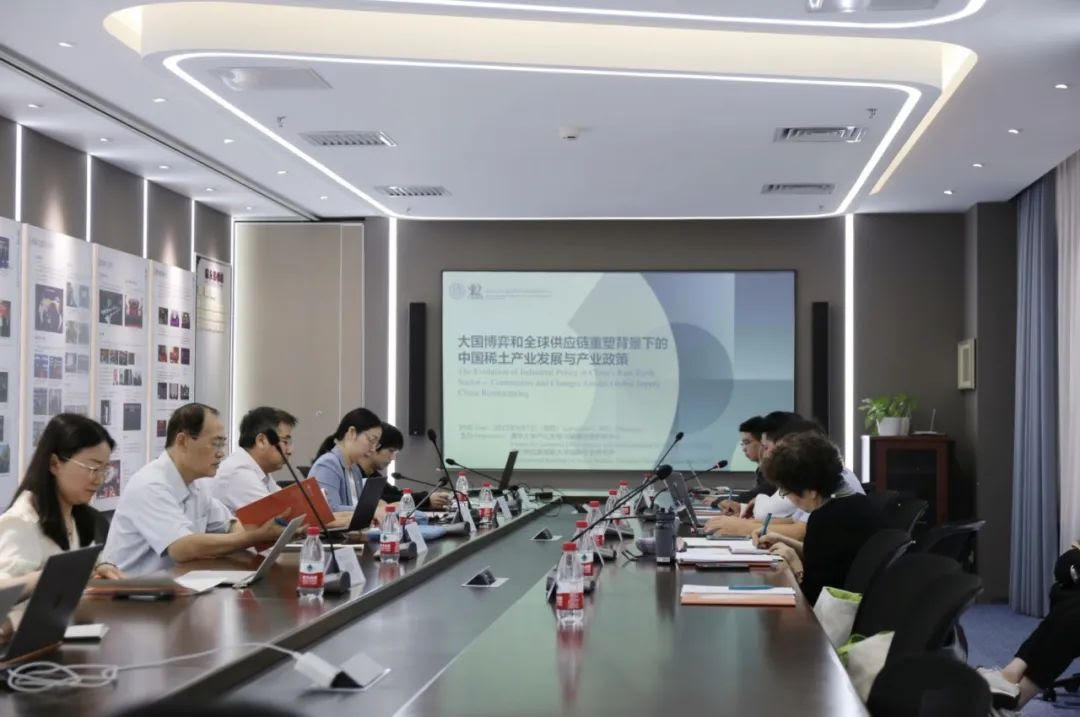

The Critical Raw Materials (CRM) Policy Lab is a practical platform for reimagining and reshaping the governance of mining and critical minerals amid rapidly changing supply chains and growing social and environmental tensions. Based at the University of Sussex, the Lab works collaboratively with governments, development finance institutions, communities, and firms to design, test, and refine concrete solutions that make critical mineral sectors more just, resilient, and development-oriented, and therefore politically and economically viable. (Pagina 1- Carrusel)
Recognising that the demand for critical minerals is a global challenge that generates both opportunities and tensions across regions, the Lab explicitly integrates perspectives from the Global North and Global South. It provides a space to articulate and negotiate these perspectives, addressing asymmetries in power, capabilities, and risks, and to explore pathways in which securing mineral supply for global transitions can align with locally grounded development outcomes. (Pagina 2 – Carrusel)
1. Addressing governance gaps in the CRM sector:
This pillar looks into new global institutional innovations to enact radical changes in the mining system to address sustainability challenges
2. Global China and emerging CRM–manufacturing supply chains:
Mapping China’s global footprint in CRM and industrial sectors, particularly its medium- and long-term consequences for re-industrialization efforts in Africa, Latin America, Central and Southeast Asia.
3. Co-designing global and national mining policies and frameworks:
Interrogates the lessons from extractive industries governance in the 20th century to support the crafting of new policy proposals in CRM management models
4. Generating territorial legitimacy for the mining industry:
Generates and tests new analysis and designs for institutional innovations and participatory practices aimed at mitigating conflicts and strengthening legitimacy of governance processes in the mineral sector.